
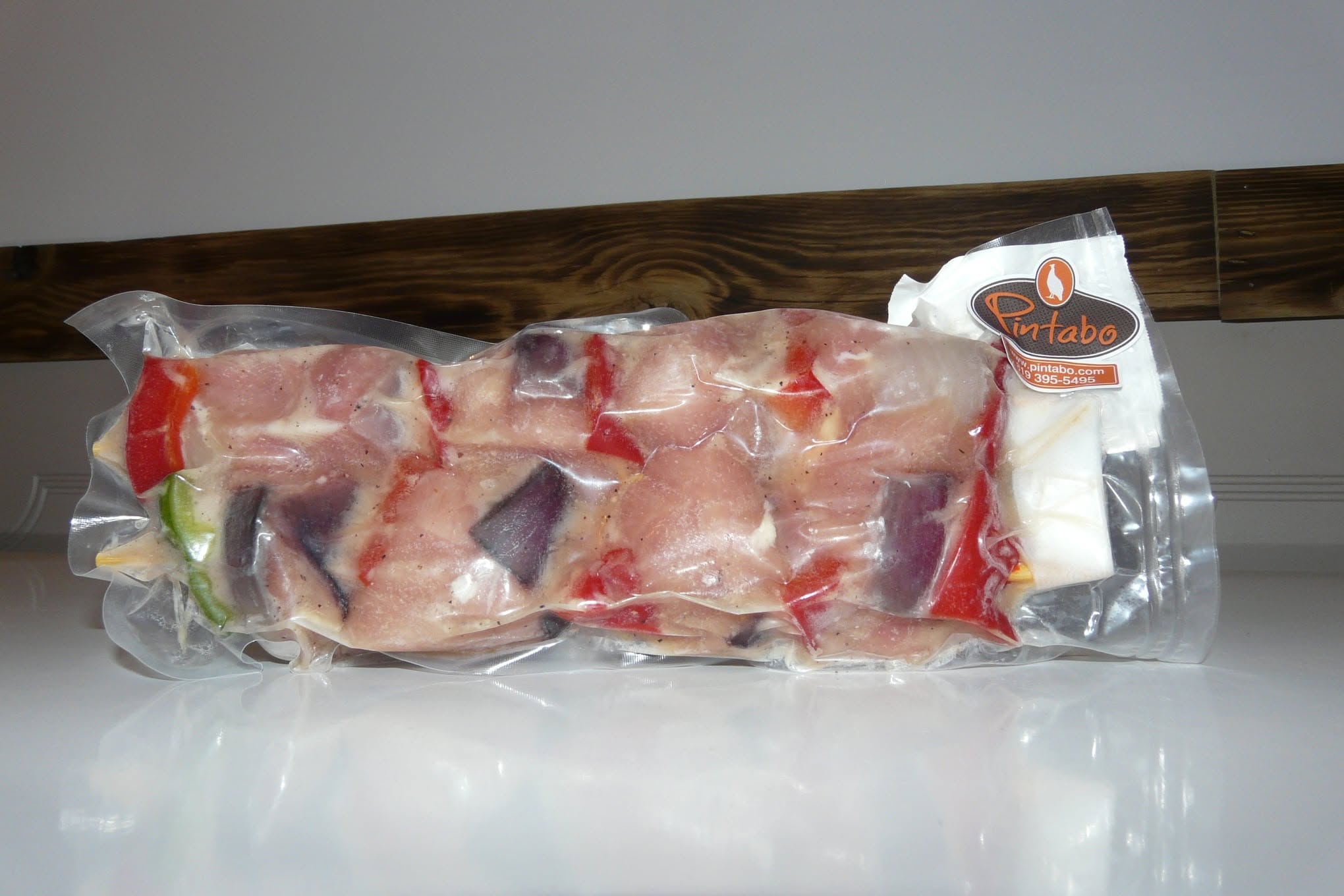
Brochette de pintade
An infinite palette of flavors
Guinea fowl is much less fatty than chicken. Its delicate meat is highly prized by renowned restaurateurs, as it can be prepared with a surprising diversity of aromatic accompaniments.
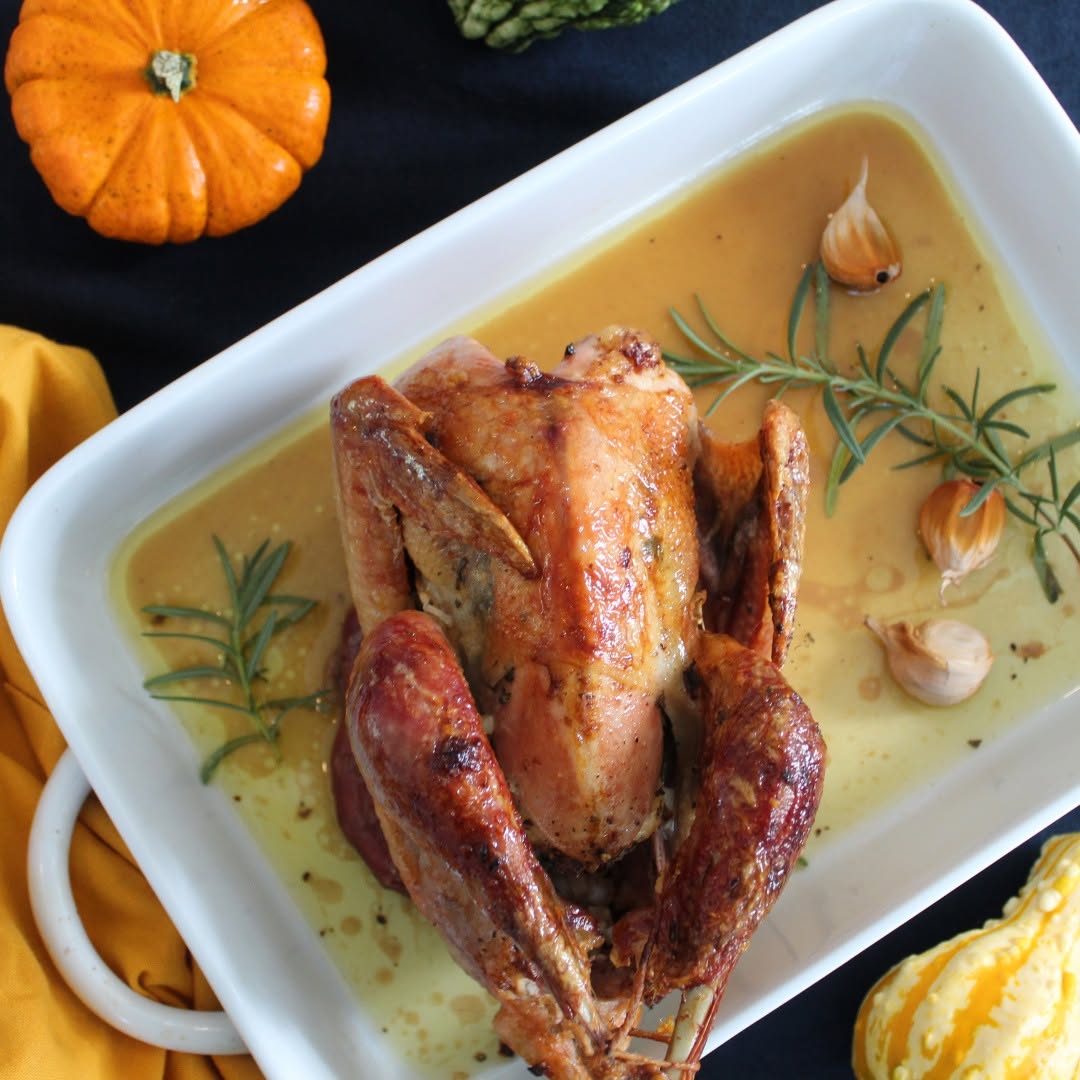


Why cook guinea fowl
Halfway between game and traditional poultry, guinea fowl offers juicy white meat highly appreciated for its subtle taste and flavor, in addition to good nutritional qualities. It makes an original and refined alternative to chicken or turkey.
Flavors that pair with guinea fowl
Guinea fowl meat pleasantly recalls the taste of game. It pairs wonderfully with a wide variety of ingredients:
Fruits and sweets:
Herbs and spices:
Guinea Fowl: Excellent Taste and Nutritional Benefits
Recognized for its tenderness and lightness, guinea fowl is among the leanest poultry with only 5% fat. Low in calories, it provides barely more than 130 kcal. Low in lipids, guinea fowl is the poultry containing the most protein, with 21 g to 25 g per 100 g.
Nutritional Powerhouse: A natural partner in maintaining good health, guinea fowl is naturally rich in essential vitamins (A, E, B1, B2). It plays a role in the proper functioning of the body and is also a source of magnesium and calcium. (Met l'accent sur les vitamines essentielles et le fonctionnement du corps)
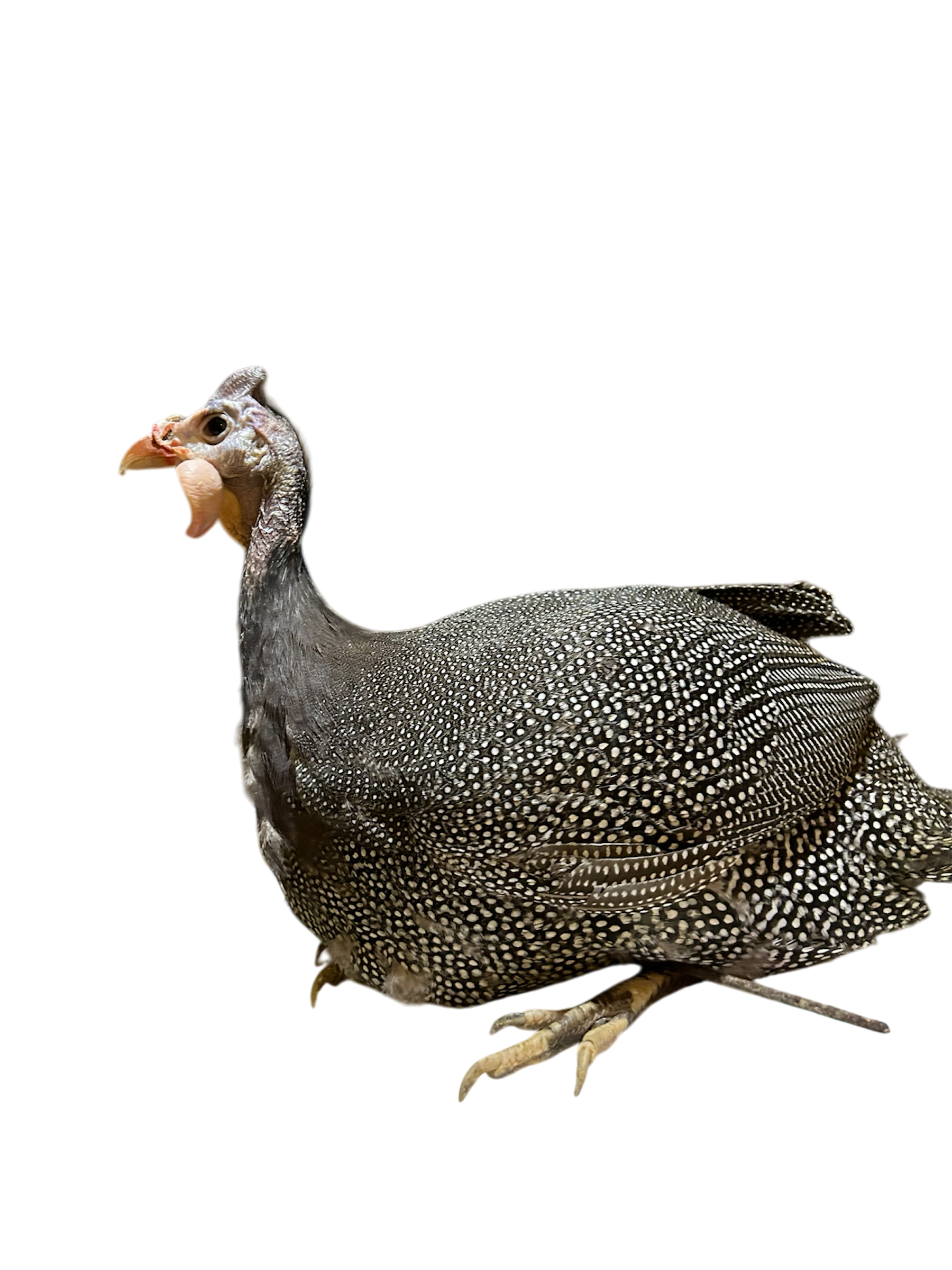
The guinea fowl egg, a performance product
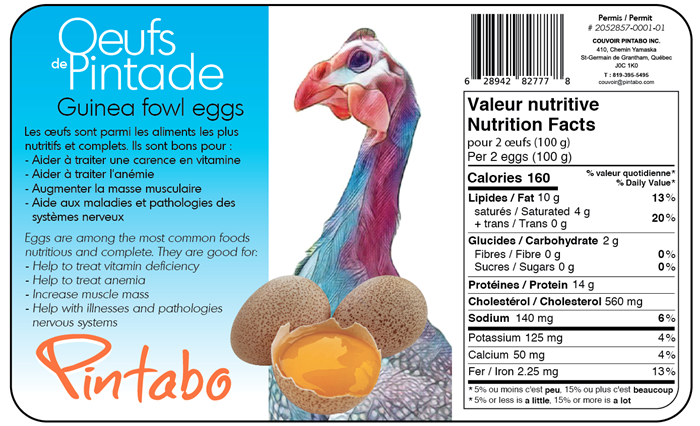
Guinea fowl eggs are among the most nutritious and complete foods. They help treat vitamin deficiencies, treat anemia and increase muscle mass. They are also recognized for helping with diseases and conditions of the nervous system.
The nutritional values of guinea fowl eggs are higher than those of chicken eggs: 2.25 mg/100 g of iron, compared to 1.2 mg to 1.8 mg/100 g for chicken eggs.
Ready to cook guinea fowl?
Discover our fresh and frozen guinea fowl, whole or in cuts, available by appointment in our shop.